

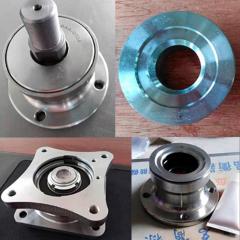
Disc Harrow Bearing Failure Analysis in High-Speed Tillage Systems
Repeated disc harrow bearing failures during peak tillage season lead to downtime, emergency replacement costs, and lost field productivity.
In high-speed tillage operations (≥15 km/h, ≥200 RPM at the bearing), a standard disc harrow bearing typically fails within 150–300 hours. At lower speeds (≤8 km/h), service life may exceed 600 hours.
This is not a quality issue. It is a system mismatch between modern agricultural conditions and traditional bearing design limits.
1. The Real Problem – System-Level Overload
Most disc harrow bearing failures are not manufacturing defects. They are system overload failures caused by combined stress from speed increase, contamination, thermal load, and reduced maintenance cycles.
- Higher rotational speed increases heat generation
- Larger implements increase load per bearing
- Longer operation cycles reduce lubrication frequency
- Severe soil contamination accelerates wear
2. What Has Changed in Modern Tillage Equipment?
Higher Field Speed (10–25 km/h)
Modern farming prioritizes efficiency, significantly increasing bearing RPM and thermal stress.
Larger Working Width
More discs per machine increase total system load per bearing unit.
Reduced Maintenance Cycles
Real field operation often exceeds recommended lubrication intervals.
3. Speed vs Load vs Heat – Modern Operating Reality
| Condition | Standard Tillage | High-Speed Tillage |
|---|---|---|
| Field Speed | 6–8 km/h | 15–25 km/h |
| Bearing RPM | Low | High |
| Heat Generation | Moderate | Severe |
| Contamination Risk | Medium | High |
| Lubrication Stress | Low | Continuous breakdown |
4. Thermal Buildup at High RPM
At high speed, frictional heat becomes the dominant failure driver:
- Grease viscosity decreases under heat
- Lubrication film breaks down
- Seal lips harden and lose elasticity
- Internal clearance changes due to expansion
- Metal contact accelerates wear
Result: a self-reinforcing failure loop (Heat → grease breakdown → more heat)
5. Four Major Failure Mechanisms
1. Micro Shock Fatigue
Rock impact and soil hardness cause raceway cracking and pitting.
2. Seal Failure & Contamination
Soil ingress accelerates corrosion and wear.
Seal benchmark:
- Single lip seal: 100–150 hours
- Triple lip seal: 500+ hours
3. Grease Breakdown
Centrifugal force causes grease migration away from load zone.
4. Inner Ring Creep
Improper shaft fit leads to micro-movement and overheating.
6. Why Standard Bearings Fail
Standard bearings are designed for moderate speed and seasonal operation, not continuous high-speed tillage environments.
Modern field conditions exceed design assumptions in thermal load, contamination exposure, and operating duration.
7. Engineering Requirements
- High fatigue-resistant steel (60–64 HRC)
- Multi-lip sealing system
- High-temperature grease ≥160°C
- Controlled shaft fit (G6 recommended)
8. Standard vs High-Performance Bearings
| Parameter | Standard | High-Performance |
|---|---|---|
| Seal System | Single lip | Triple lip + excluder |
| Contamination Resistance | Low | High |
| Service Life | ~1 season | 2–3 seasons |
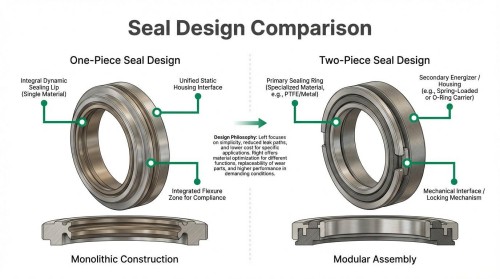
9. Bearing Selection Method (Engineering Approach)
Step 1: Operating Conditions
- Field speed
- Soil type
- Moisture level
- Daily working hours
Step 2: Load Estimation
(Total implement weight ÷ number of discs) × 1.5 safety factor
Step 3: Seal Selection
| Soil Condition | Seal Type |
|---|---|
| Dry soil | Double lip |
| Abrasive soil | Triple lip + excluder |
| Muddy conditions | Cassette seal |
10. Field Case – Northern Italy (2024)
6m disc harrow, 24 discs, operating at 18 km/h.
- Standard bearing life: 180–220 hours
- Failure: 70% contamination, 30% creep
After upgrade:
- Triple lip seal + G6 fit + high-temp grease
- Service life >500 hours
- 60% failure reduction
11. Installation Errors
| Error | Effect |
|---|---|
| Over-torque | Heat + deformation |
| Misalignment | Edge loading |
| Shaft undersize | Creep failure |
12. Engineering Support
If your disc harrow bearings fail within 200–300 hours, the issue is usually system-level mismatch rather than single-component failure.
Please prepare:
- Failed bearing photos
- Operating hours
- Machine model
- Soil conditions
- Current bearing type
Related Agricultural Bearing Engineering Topics
Disc Harrow Bearings for Different Soil Conditions: How to Choose the Right Bearing
When Should You Choose Relubricable Disc Harrow Bearings?
Disc Harrow Bearing Failure at High Speed: Why Standard Bearings Last Only 200 Hours
Response time: within 48 hours