

Choosing between OEM and aftermarket truck bearings involves more than comparing unit prices. For truck parts importers, distributors, and fleet maintenance suppliers, the decision also affects replacement compatibility, inventory costs, product consistency, and future sourcing reliability.
In South American markets such as Brazil, Argentina, and Chile, international buyers must also account for freight, customs procedures, replenishment lead times, and the cost of keeping the right parts in stock.
Neither OEM nor aftermarket bearings are automatically the better choice for every application. The practical approach is to compare verified specifications, quality requirements, total procurement costs, and the supplier’s ability to support repeat orders.
1. OEM vs Aftermarket Truck Bearings: What Is the Difference?
OEM and aftermarket truck bearings serve different sourcing needs, but the labels alone do not establish product quality or application suitability.
OEM bearings are associated with original equipment manufacturing or an original equipment supply chain. The exact meaning depends on the supplier relationship and the context in which the term is used.
Aftermarket truck bearings are supplied for the replacement market. They may be sourced from bearing manufacturers, replacement-parts suppliers, or distributors serving repair shops, fleets, and commercial vehicle parts businesses. Product quality and manufacturing consistency vary by supplier and specification.
For procurement teams, the more important question is whether the bearing matches the intended application and meets the required technical standards.
Before approving a replacement truck bearing, verify:
-
The bearing part number and applicable OE reference
-
The truck model, axle configuration, and intended position
-
Bore, outside diameter, width, and bearing arrangement
-
Load requirements and specified internal clearance
-
Sealing, lubrication, and operating conditions
-
Installation requirements and relevant manufacturer instructions
A matching part number is a useful starting point, but it should not replace dimensional and application checks when specifications are uncertain or multiple versions exist.
2. How to Compare OEM and Aftermarket Truck Bearing Costs
A lower unit price does not necessarily mean a lower procurement cost. Importers and distributors should compare the total cost of obtaining, stocking, and supplying a bearing rather than evaluating quotations in isolation.
The main cost factors include:
-
Purchase price: The quoted price per bearing and any applicable minimum order quantity.
-
International freight and insurance: Costs affected by shipment size, transport method, and delivery terms.
-
Import and customs costs: Duties, taxes, clearance charges, and other destination-specific expenses.
-
Inspection and handling: Incoming inspection, packaging requirements, and inventory processing.
-
Inventory and replenishment: Capital tied up in stock, storage requirements, lead times, and the risk of shortages or excess inventory.
Aftermarket sourcing may provide more supplier options and purchasing flexibility, depending on the product and order volume. However, an attractive quotation should be evaluated alongside specification compliance, quality documentation, order terms, and the supplier’s ability to maintain consistent supply.
For a fair comparison, request quotations based on the same bearing specification, quantity, packaging requirements, delivery terms, and destination. This helps buyers distinguish a genuine cost advantage from differences in product scope or commercial conditions.
3. What Determines Truck Bearing Service Life?
Bearing service life depends on the application, operating conditions, product design, manufacturing quality, installation, and maintenance. The OEM or aftermarket label alone cannot establish which bearing will last longer.
For replacement truck bearings, buyers should evaluate the following factors.
Specification and Load Suitability
The bearing must be appropriate for the intended load, speed, mounting arrangement, and operating environment. An incorrect replacement can create problems even when its nominal dimensions appear to match.
Material and Manufacturing Consistency
Material quality, heat treatment, raceway and rolling-element accuracy, and assembly consistency can affect bearing performance. Procurement teams should establish relevant requirements with the supplier rather than relying on broad quality claims.
Sealing, Lubrication, and Contamination Control
Road conditions, moisture, dust, lubricant condition, and maintenance practices can influence bearing life. The suitability of the sealing arrangement and lubrication system should be assessed against the actual operating environment.
Installation and Maintenance
Incorrect mounting, improper adjustment where applicable, contamination during installation, and unsuitable lubrication can contribute to premature failure. Product selection should therefore be considered alongside installation procedures and maintenance requirements.
For a more detailed explanation of manufacturing factors, see OEM Truck Bearing Standards: Material, Heat Treatment, and Load Rating Explained.
When comparing suppliers, request relevant inspection records, material or heat-treatment documentation where applicable, and batch identification information. Such records help buyers assess process control, but they should not be treated as a guarantee of a particular service life.
4. How to Reduce Aftermarket Truck Bearing Sourcing Risks
For importers and distributors, sourcing risk includes more than bearing performance. Incorrect specifications, inconsistent repeat orders, unclear delivery terms, and inadequate documentation can all create avoidable costs.
A practical risk-control process should cover four areas.
Confirm Replacement Compatibility
Provide the supplier with the bearing part number, OE reference, dimensions, and application details. If the original specification is incomplete or conflicting, request confirmation before placing a production order.
Define Quality Requirements Before Ordering
Agree on the applicable drawing or specification, inspection requirements, packaging, identification, and documentation before production. Where relevant, clarify requirements for material certificates, heat-treatment reports, and pre-shipment inspection records.
Check Repeat-Order Consistency
For regular purchasing programs, confirm how the supplier manages specifications, production records, inspection criteria, and batch identification. Consistent order documentation makes it easier to compare repeat shipments and investigate discrepancies.
Control Initial Order Exposure
When qualifying a new supplier or replacement part, consider samples or a controlled initial order where commercially practical. Verify the product against the agreed requirements before expanding the purchasing volume.
Installation problems can also be mistaken for product defects. For related troubleshooting guidance, see Truck Bearing Installation Errors and Premature Failure: What Dealers Should Know.
5. How South American Importers and Distributors Should Choose
For buyers serving Brazil, Argentina, Chile, and other South American markets, the right sourcing decision depends on the destination, product range, purchasing volume, and replenishment plan. A supplier that offers a competitive price but cannot support the required specifications or delivery schedule may create higher costs downstream.
Evaluate the following priorities before selecting a supplier.
| Procurement priority | What buyers should verify |
|---|---|
| Competitive landed cost | Compare quotations using the same specification, quantity, delivery terms, and destination-specific import costs. |
| Replacement compatibility | Confirm part numbers, OE references, dimensions, and truck or axle applications. |
| Repeat-order reliability | Ask how specifications, inspection criteria, and batch records are maintained across orders. |
| Inventory availability | Review minimum order quantities, production lead times, shipping arrangements, and replenishment expectations. |
| Quality risk control | Agree on inspection requirements, relevant documentation, packaging, and procedures for handling discrepancies. |
Importers should also align purchasing quantities with actual sales and replenishment needs. Stocking every possible reference can tie up working capital, while holding too little of fast-moving parts can lead to missed sales and urgent replenishment costs.
A more practical approach is to identify the most relevant bearing references for the customers and vehicle applications served, then establish purchasing and replenishment plans around verified demand.
6. How to Evaluate an Aftermarket Truck Bearing Supplier
Before committing to a long-term supply arrangement, procurement teams should assess whether the supplier can meet both technical and commercial requirements.
Use this checklist during supplier qualification:
-
Specification control: Can the supplier confirm the required part number, dimensions, and application?
-
Quality documentation: Can it provide the agreed inspection records and other relevant documentation?
-
Production and order control: Are product specifications, packaging, and order requirements documented clearly?
-
Export arrangements: Are minimum order quantities, lead times, delivery terms, and shipping responsibilities clearly defined?
-
Repeat-order support: Can the supplier maintain the agreed specification and communicate changes that may affect future orders?
The depth of verification should reflect the risk and scale of the purchase. A trial order may be sufficient for an initial assessment, while recurring or higher-volume programs may require more formal approval and documentation procedures.
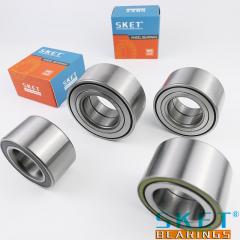
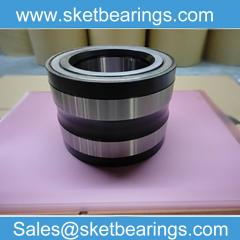
For buyers sourcing replacement components for commercial vehicles, explore SKET’s Truck Wheel Hub Bearings to review the relevant product range.
Conclusion: Compare Truck Bearings by Evidence, Cost, and Supply Reliability
The choice between OEM and aftermarket truck bearings should be based on verified application compatibility, documented quality requirements, total procurement cost, and the supplier’s ability to support repeat orders.
OEM sourcing may suit buyers who need to follow a defined original equipment supply route. Aftermarket sourcing may offer additional supplier options and purchasing flexibility, provided the replacement bearing meets the required specifications and the supplier can support the order reliably.
For South American importers and distributors, the most useful comparison is not simply which bearing has the lowest unit price. It is which sourcing option meets the technical requirements, fits the landed-cost target, and supports dependable inventory replenishment.
Request a Truck Bearing Quote from SKET
To help assess your sourcing requirements, provide the following details with your inquiry:
-
Bearing part number or OE reference
-
Required quantity
-
Truck model, axle configuration, or application
-
Destination country
-
Any specific drawing, inspection, or packaging requirements
With these details, the supplier can review the application and quotation requirements more accurately before the order is confirmed.